Vltava Riverside Recreation: Canoeing & Walking
The river's better than you think. Canoe routes, riverside towns worth stopping in, and some stretches where it feels completely rural.
Why the Vltava Deserves Your Time
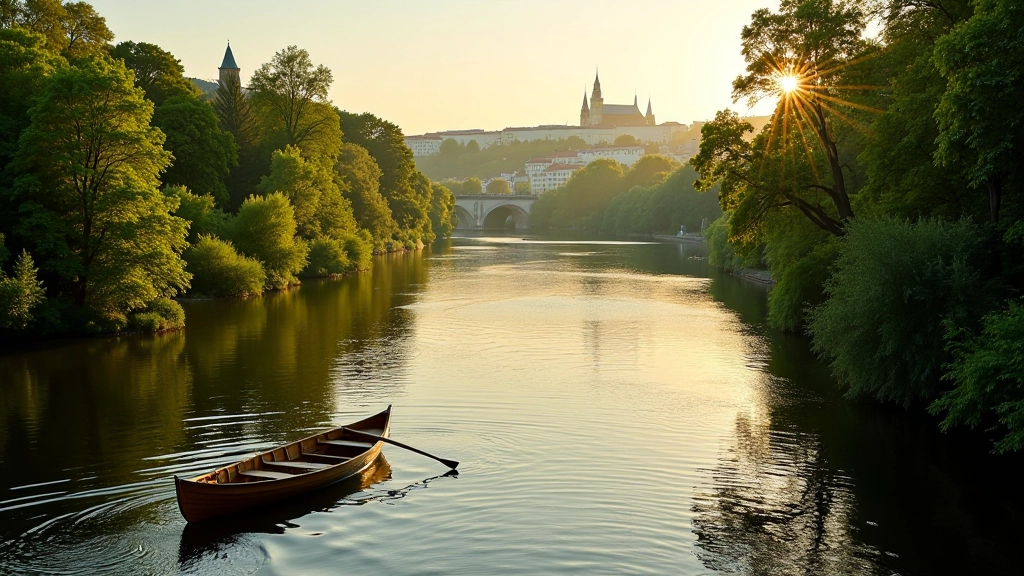
Most people think of Prague when they think of the Vltava. But the river's actually much more interesting the further you get from the city center. You've got genuine canoe routes, quiet walking paths along the water, and small towns that don't feel touristy at all. The thing is, you don't need special skills to enjoy it — whether you're paddling a canoe or just walking the riverside trails, there's something here for everyone.
We've spent the last few years exploring different stretches of the river, and what struck us most was how accessible it all is. No permits required for most sections. Rental facilities are straightforward. And the scenery changes dramatically depending on where you are — forested banks in some spots, open meadows in others, then suddenly you're passing through a town with actual character.
3 Main Canoe Routes
From gentle family sections to more challenging stretches with small rapids
Riverside Walking Paths
Connected trails ranging from easy afternoon walks to full-day hikes
Scenic Towns
Actual places with restaurants, pubs, and character worth exploring
Canoe Routes: What You Actually Need to Know
There's no single "best" route on the Vltava — it depends entirely on what you're comfortable with and how much time you've got. The good news? You're not paddling against major currents or navigating dangerous sections. The Vltava moves gently most of the time, which is exactly why families use it and why beginners can actually enjoy themselves.
Vyšehrad to Veltrusy (22 km)
This is the family section. Flat water, no serious obstacles, takes about 5-6 hours depending on how often you stop. You'll paddle past some genuinely beautiful landscape — not crowded like the Prague city sections. Rental shops are plentiful at the start, and there are takeout points all along the route if you need to cut it short.
Veltrusy to Mělník (28 km)
Slightly more interesting than the first section. You'll encounter a few small weirs that require basic portaging skills (nothing technical, just carrying the canoe around). The banks are more forested here. Plan 6-7 hours. This is where intermediate paddlers start to feel like they're actually on an adventure rather than a tourist float.
Mělník to Litoměřice (34 km)
This one's different. The landscape opens up, you're moving through wine country, and the character of the river shifts. More exposed sections, wider views. Not dramatically harder, but you're dealing with variable water conditions. Two-day trip is realistic here, especially if you want to actually enjoy the towns along the way rather than just paddling through.
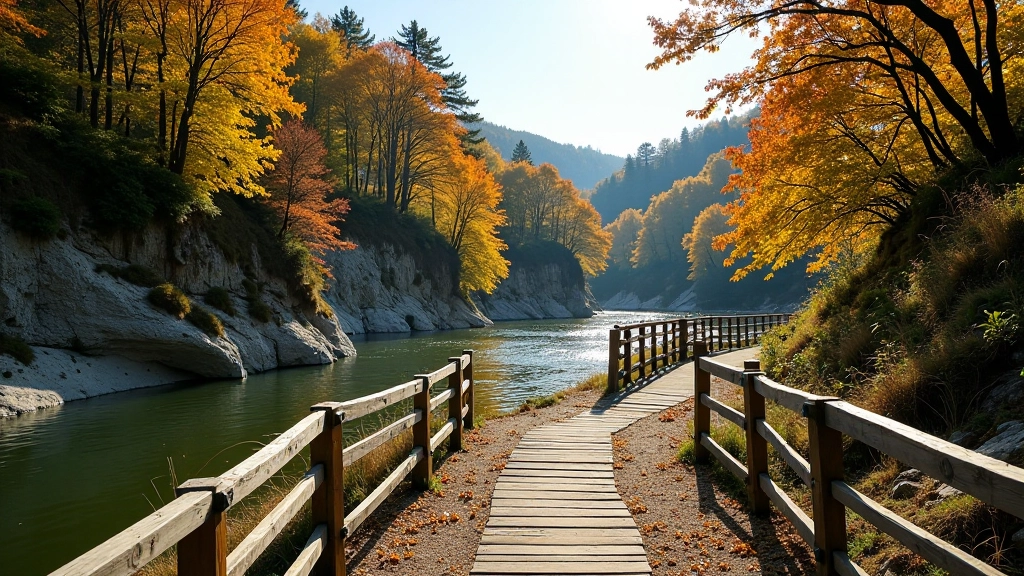
Walking the Riverside: Less Crowded Than You'd Think
Here's what surprises most people — there's an actual connected trail system along significant stretches of the Vltava, and it doesn't get nearly as packed as the hiking routes in Bohemia. You're not fighting crowds. The paths are well-marked, mostly maintained, and they genuinely follow the river rather than just running parallel to it.
Walking sections vary wildly depending on where you are. Some bits are easy riverside strolls perfect for an afternoon with kids. Other sections demand proper hiking boots and actual effort. But that's the appeal — you can mix and match. Do a 3-hour easy walk one day, tackle something more challenging the next.
Practical Walking Details
- Best walking months are April through October — trails can get muddy in spring
- Sections near Prague are busier on weekends; midweek is genuinely quiet
- Southern stretches (toward Krčehnice) tend to have fewer people than northern routes
- Bring a decent map — some trail junctions aren't marked super clearly
Towns Worth Actually Stopping In
The Vltava corridor has real towns with actual personality. Not everything is a tourist trap.
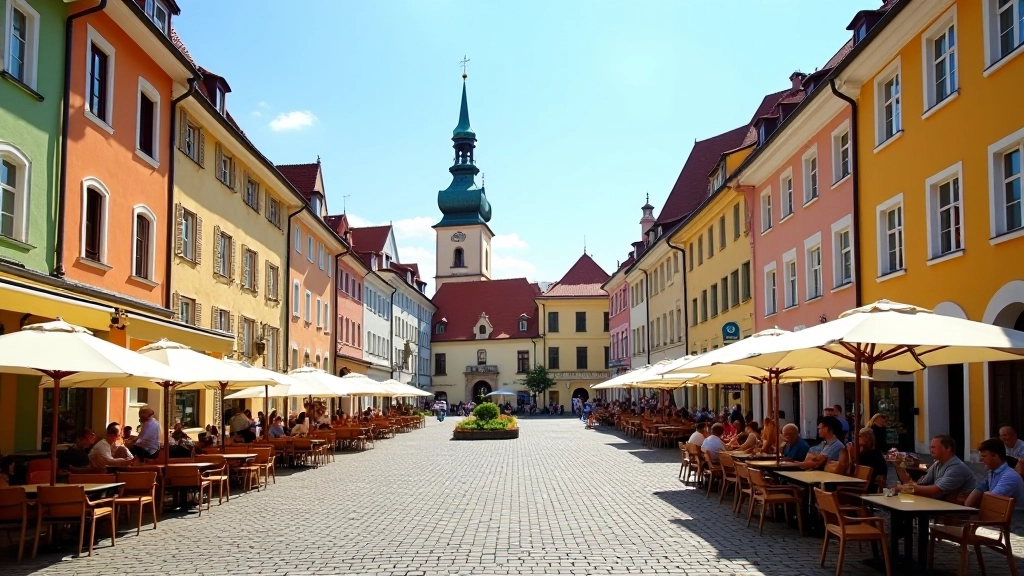
Veltrusy
Chateau here is decent if you're into that. But honestly, the real draw is the riverside setting and the fact that it's far enough from Prague to feel genuinely local. The pubs serve actual food, not tourist menus. Good stopping point for canoe trips.
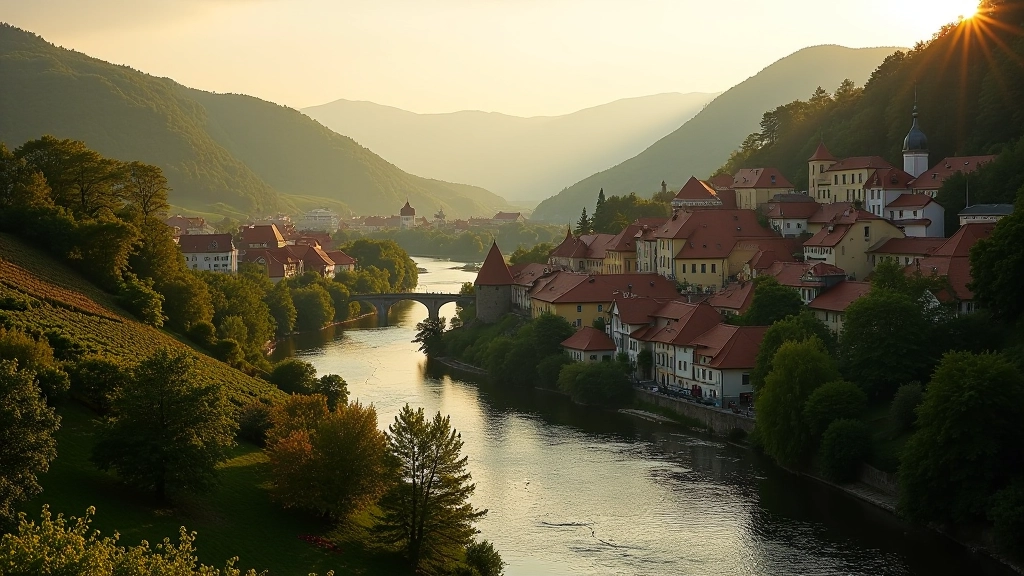
Mělník
This is where the Vltava meets the Elbe. The setting's genuinely dramatic. Wine region nearby (if you care about that). The old town has character without being overrun. It's a natural stopping point for longer canoe trips, and there's enough here to justify an overnight stay.
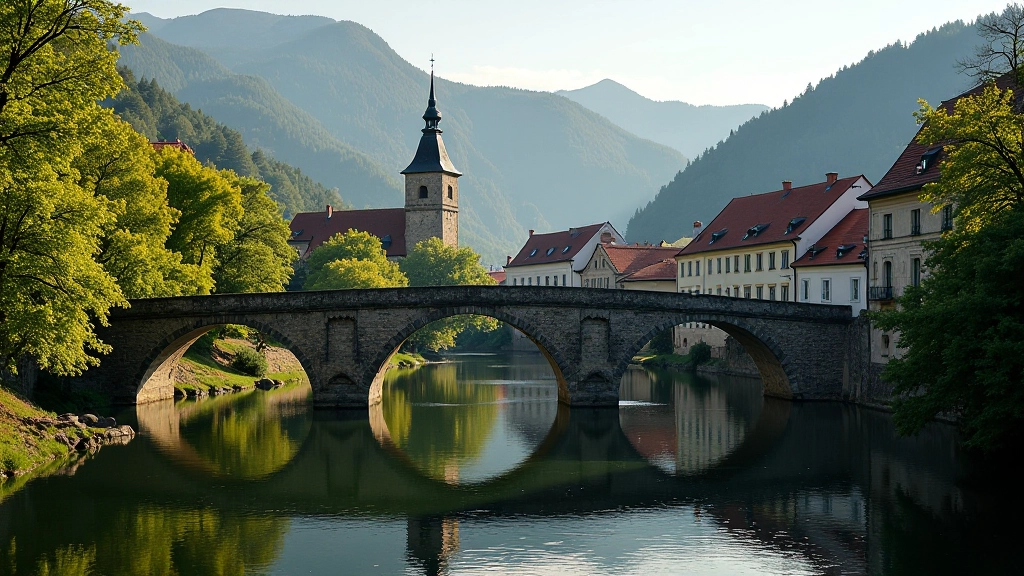
Litoměřice
The furthest town on the main canoe routes. It's got actual history without the Prague crowds. The square is genuinely beautiful. Restaurants are decent and reasonably priced. If you're doing a multi-day river trip, this is a solid endpoint.
Getting Started: Rental & Logistics
The bureaucracy around using the Vltava is minimal, which is refreshing. You don't need permits for most recreational use. Rental infrastructure exists and it's straightforward. But there are some things worth knowing upfront.
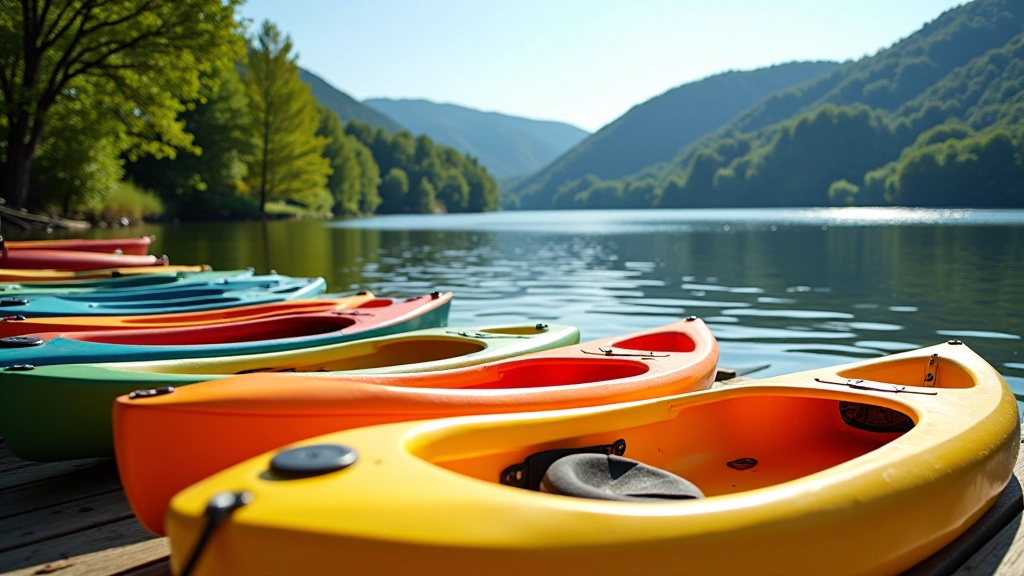
Canoe rental shops are concentrated in the Prague area and at major access points like Veltrusy. Prices are reasonable — expect to pay around 400-600 CZK per day for a single canoe, less if you're renting a group. Most places offer drop-off services if you don't want to paddle back. They'll handle the logistics of getting you to the start and picking you up at the end. It's not complicated.
For walking, you don't need to rent anything. The paths are public access. Just bring proper footwear and water. Midges can be annoying in July and August, especially near the water at dawn and dusk — worth knowing but not a dealbreaker.
Before You Go
- Check water levels — heavy rain upstream can make the river faster and less suitable for beginners
- Book rental canoes in advance during peak season (May-September weekends get busy)
- Wear appropriate footwear if wading or carrying canoes around obstacles
- Tell someone where you're going, especially on longer trips
- Don't underestimate sun exposure — you'll get burned faster on the water

Important Information
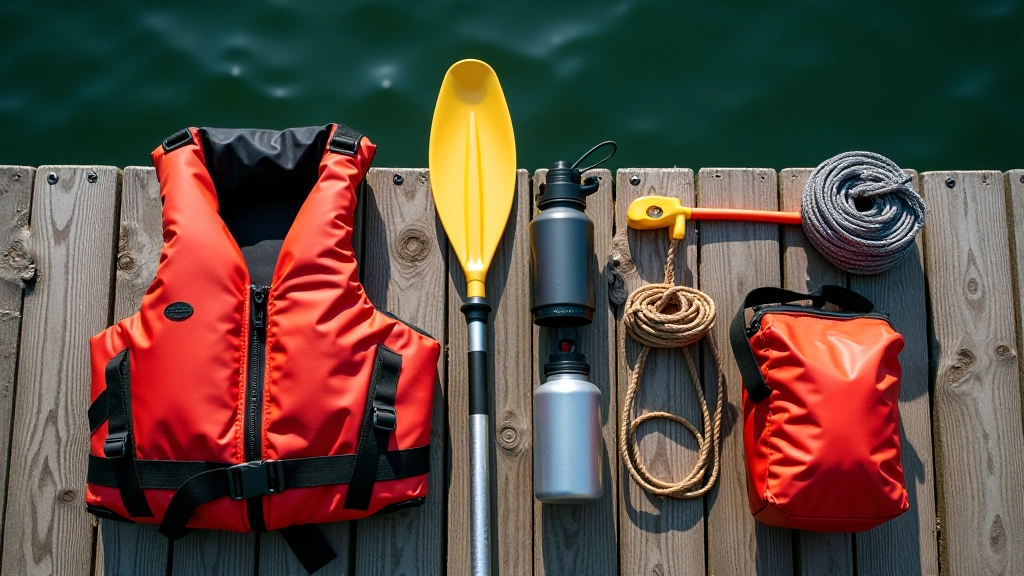
The information provided in this article is for educational purposes only. Recreational activities on the Vltava River involve inherent risks. Always wear proper safety equipment, including life jackets. Check current water conditions before any trip. If you're a beginner, consider taking a guided tour or lesson from experienced instructors. Weather and water levels can change rapidly. This guide is based on general observations and doesn't replace local knowledge or official guidance from local authorities. Your safety is your responsibility.
The River Is Worth Your Time
The Vltava isn't a secret anymore — it's too accessible for that. But it's also not overrun like some other outdoor destinations in the region. You can still find quiet stretches, genuinely interesting towns, and riverside scenery that doesn't feel manufactured. Whether you're paddling or walking, you're dealing with straightforward logistics and a landscape that's genuinely varied.
What we liked most was how flexible it all is. You're not locked into a specific route or schedule. Want to do an easy 3-hour walk? Go ahead. Planning a serious multi-day canoe expedition? The river accommodates that too. It's the kind of place where you can keep coming back and find something different each time.
Šumava Forest Retreats: Hiking & Solitude
Read Article